|
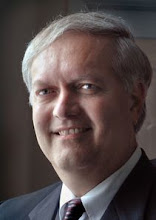
| [Photo from Wikipedia] |
As a former federal prosecutor for over 20 years, (and currently, as an Augusta, Georgia criminal defense lawyer), I believe that most federal prosecutors, (Assistant U.S. Attorneys, or "AUSAs"), are good, decent, and honorable attorneys. But in every profession, including among AUSAs, there are a few who will always try to cut corners, or step over the line, in order to win. Doesn't it seem that prosecutorial misconduct seems to occur more and more frequently, especially in federal trials, around the country? While I am not suggesting that the prosecutors in any of the following illustrations are in any way corrupt, or "bad apples," allegations of prosecutorial misconduct have certainly been raised in each of the following cases. You decide about the alleged misconduct in each case.
For instance, no matter what you may think about the jury's verdict, you will recall that, in the recent Casey Anthony trial, the prosecutor was seen laughing, or smirking, during the defense lawyer's closing arguments. In my opinion, there is no excuse for such misbehavior in the courtroom by prosecutors, but it happens more than you might realize. Of course, I have no idea whether or not it had any impact at all on the jury's verdict.
Also, you will recall that the federal fraud conviction of Alaska's Senator Ted Stephens was thrown out, based upon prosecutorial misconduct. In that case, the allegations centered around the government's withholding exculpatory evidence and witnesses from the defense, which, if properly revealed, might have resulted in a not guilty verdict for Stephens. In my opinion, this type is an example of prosecutorial misconduct at its worst.
Finally, just this past week, a federal judge declared a mistrial in the perjury and obstruction trial of former baseball great, and seven-time Cy Young winner, Roger Clemens. Once again, the mistrial was based upon possible misconduct by federal prosecutors. In this case, Clemens is accused, among other things, of lying at a Congressional hearing about whether or not he had ever used performance-enhancing drugs. According to news reports, another former baseball pitcher, Andy Pettitte, is expected to testify that Clemens had allegedly admitted to him that he had used human growth hormone. Supposedly, Pettitte had told his wife, Laura, about the alleged admission. But, as to Laura, that would be hearsay, so the federal judge in Clemens' case had previously ruled that prosecutors could not use her hearsay testimony to bolster Andy Pettite's testimony.
However, according to news reports, what the judge had forbidden is exactly what federal prosecutors did this week! Specifically, the government played a videotape for the jury of a congressional hearing in which a congressman referred to Laura Pettitte's hearsay statement! Understandably, the judge reportedly got upset! He excused the jury and declared a mistrial!
A hearing has been scheduled by the judge for September to decide whether or not Clemens can be re-tried after the government's mistake. Naturally, Clemens' criminal defense attorneys will claim that the prosecutorial misconduct was either grossly negligent, or intentional. His defense team will also raise double jeopardy as a defense against a retrial. The government will, no doubt, claim that the mistake was unintentional and ask for another chance. It remains to be seen how the judge will rule.
Again, I believe that most prosecutors, including most AUSAs, are good, decent, and honorable public servants. But I also know that prosecutors are human and that mistakes occur. Moreover, I also believe that some prosecutors are willing to step over the line, in order to win a criminal case.
What do you think?


 Posts
Posts